


DESIGNING FOR THE SENSES AT CHRISTMAS

Updated: May 1
How sensory design shapes atmosphere, comfort, and the experience of home during the holiday season.

Christmas has a unique way of slowing us down - or at least, inviting us to. The days are shorter, the air feels heavier, and we naturally gravitate inward. At this time of year, our homes become more than functional spaces; they become emotional landscapes.
That’s why I believe Christmas decor should never be purely visual. A truly successful holiday interior engages the senses quietly and intentionally. It doesn’t overwhelm. It supports rest, familiarity, and connection.
Scent: Creating an Emotional Anchor
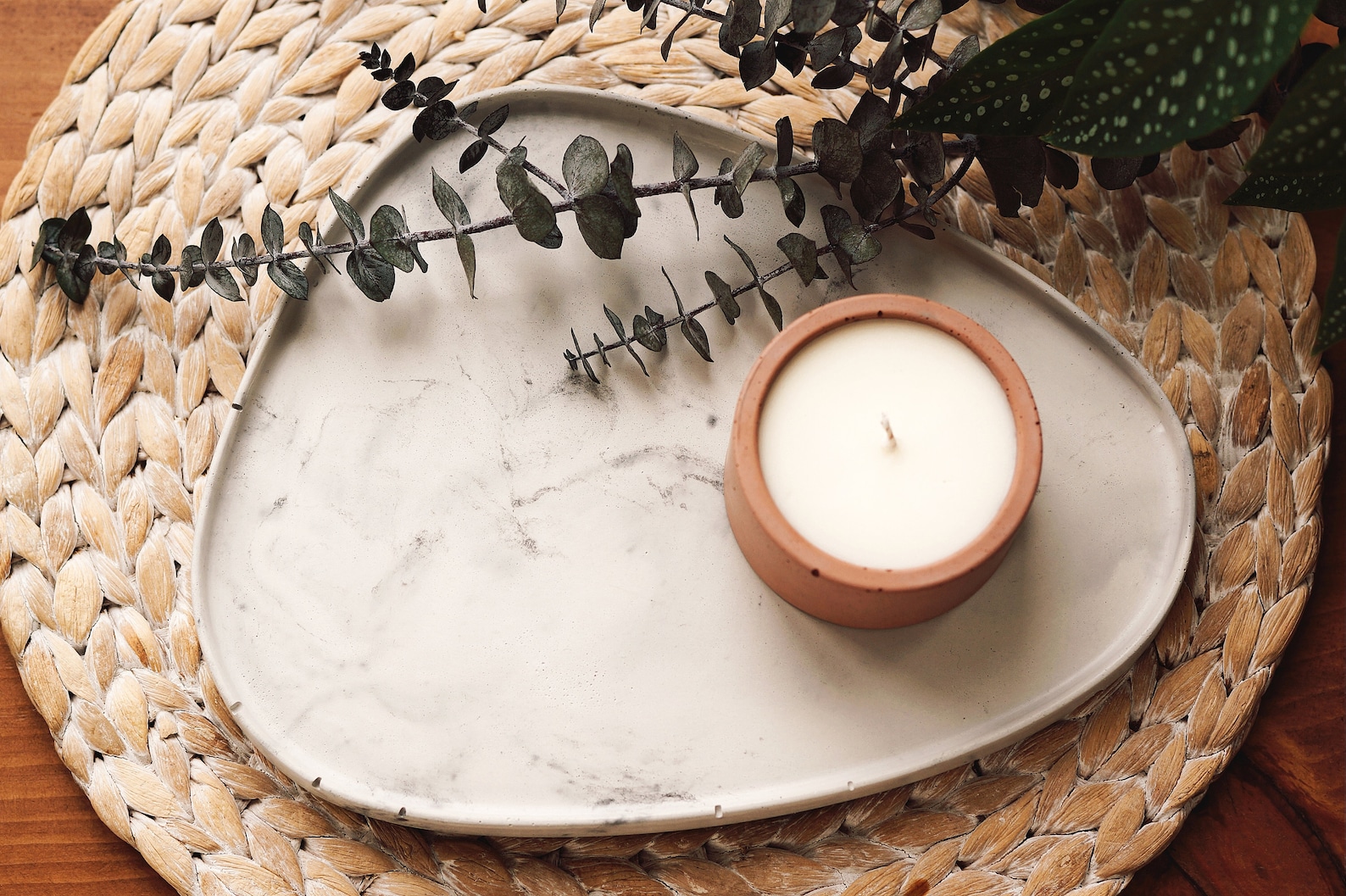
Scent is often the most underestimated design element, yet it’s the fastest way to evoke memory. A subtle hint of citrus, pine, or spice can instantly ground us in the present - or transport us to childhood kitchens, winter walks, or homes we once loved.
Rather than relying on strong artificial fragrances, I prefer natural sources: dried orange slices, fresh greenery, cloves tucked into fruit, or scent that drifts in and out, much like memory itself.
In design, restraint is powerful. When scent is kept subtle, a home feels safe, welcoming, and genuinely lived in - not staged.
Texture: Comfort You Feel Before You See
Texture works on a subconscious level. We notice it before we label it. At Christmas, texture becomes especially important because it counterbalances the visual busyness that can easily creep into seasonal decor.
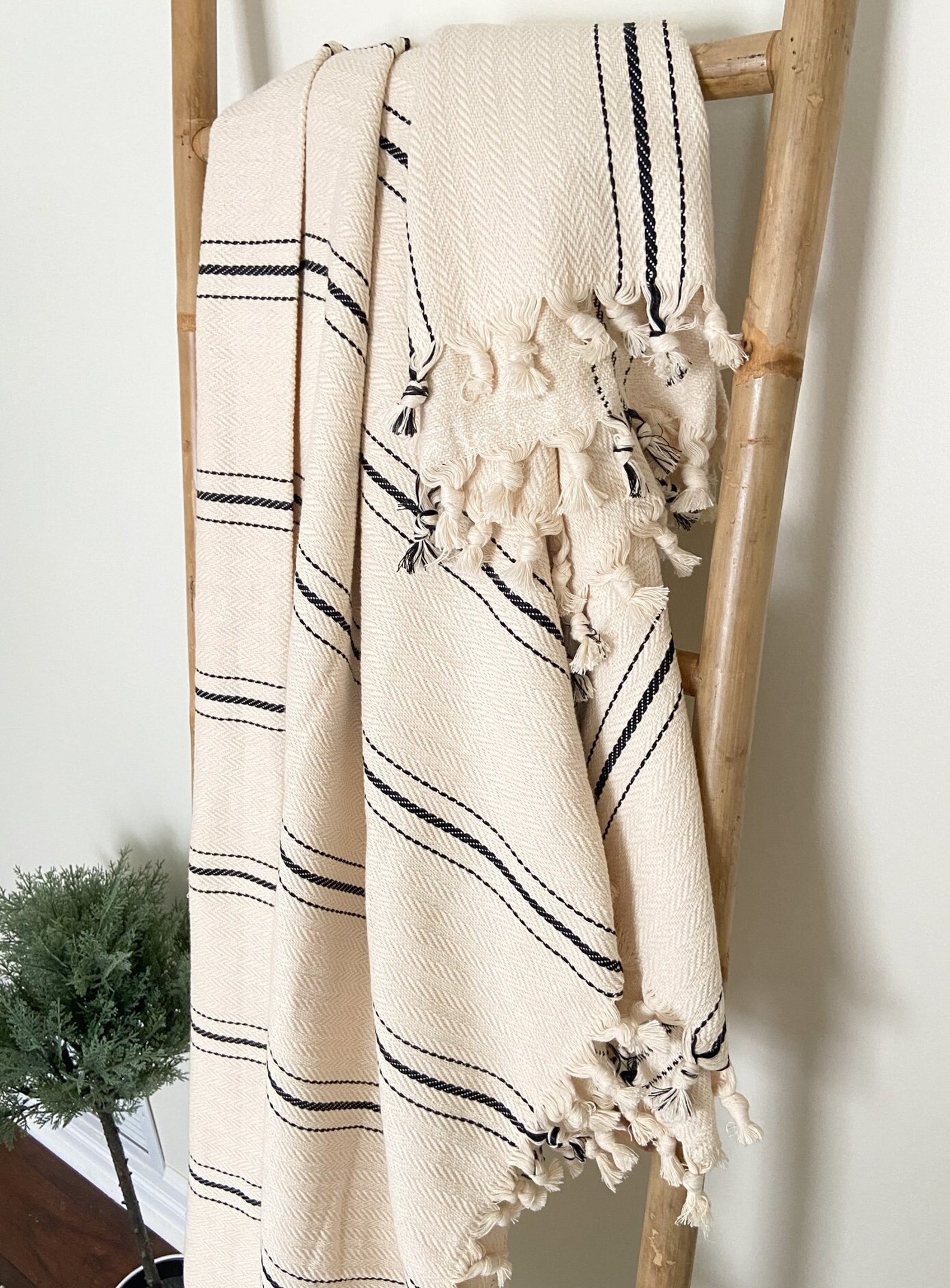
Natural materials - wood, linen, dried florals, greenery - introduce depth without excess. A pinecone tied with ribbon, wooden beads shaped into a simple ornament, or the softness of fabric against evergreen branches all contribute to a feeling of warmth and tactility.
These elements encourage slower interactions. They invite touch. And they remind us that design doesn’t need to be loud to be meaningful.

Light: Designing for the Darker Season
Winter light is precious. At Christmas, lighting should work with the season, not fight it. I always favour layered, warm lighting over anything too bright or stark.
Soft string lights, candles, and ambient lamps create pockets of glow rather than uniform brightness. This type of lighting reduces visual stress and supports a sense of calm - something we all need during an otherwise busy time of year.
Good holiday lighting doesn’t demand attention. It creates atmosphere quietly, allowing the space to feel restful rather than overstimulating.
Memory: The Invisible Layer
Memory is the most personal - and most powerful - design element. It’s also the one you can’t buy.
Objects reused year after year, handmade ornaments, or simple traditions tied to decorating carry emotional weight. They anchor us in continuity. In a world that constantly asks us to update, replace, and consume, these repeated elements offer comfort and stability.
A Christmas home that feels meaningful is rarely the most styled one. It’s the one that reflects lived experience.

Designing with Intention, Not Excess
As a designer, I often talk about moderate visual complexity - not too much, not too little. Christmas is a perfect time to practice this balance.
When scent, texture, light, and memory are thoughtfully layered, the result is a space that feels calm, grounding, and human. It supports conversation, rest, and reflection rather than distraction.
For me, this is what Christmas decor is about:
Not perfection.
Not trends.
But creating a home that feels emotionally supportive during the darkest time of the year.
Wishing you a calm, meaningful holiday season filled with warmth, familiarity, and moments that feel truly your own.
Sources:
Designing with intention doesn’t stop at the holidays. If you’re planning a project for the new year, ORIA Interiors offers thoughtful, human-centred design services tailored to your home and lifestyle.
Get in touch to begin your design journey and create a home that supports calm, comfort, and everyday living - well beyond the holidays.



Comments