


THE CALM WITHIN A ROOM: WHAT PROSPECT, REFUGE, AND MYSTERY TEACH US ABOUT DESIGN

Updated: May 1
What prospect, refuge, and mystery mean as biophilic design principles—and how they create calm, comfort, and spatial connection.

Standing on this balcony overlooking lake Ontario, I noticed something interesting. The view stretched wide and endless - that kind of horizon that instantly clears your head. But what I noticed most wasn’t the openness itself. It was the way the neighbouring buildings framed it.
The frame didn’t take away from the view; it made it better. It gave it context. The wide expanse felt balanced by a quiet sense of protection - a reminder that beauty often feels best when there’s something holding it gently in place.
That moment reminded me of something I’ve learned through biophilic design - three ideas I try to bring into every space I create: prospect, refuge, and mystery. They describe how we instinctively respond to our surroundings - the pull of a view, the comfort of a corner, the curiosity of what’s just beyond sight. In design, they’re less about theory and more about feeling - what makes a space not just beautiful, but deeply comforting to be in.
And while many people think biophilic design just means filling a room with plants, it’s really much broader - it’s about creating spaces that echo how we feel in nature: open yet protected, calm yet full of life.
1. Prospect - The Freedom to Look Out

There’s something reassuring about being able to see what’s ahead. It’s why we choose a seat facing the door, why a window view feels instantly uplifting, why an open layout can feel liberating.
Prospect is about openness - the ability to see and breathe and orient yourself. It’s not just physical; it’s emotional too. A space with prospect makes you feel capable, aware, ready for the day.
At home, it might be that chair that faces the morning light, or the kitchen that opens toward the rest of the house. It might simply be the way you can glance out from your sofa and see a sliver of sky.
Openness makes us feel alive - but it only truly works when it’s balanced by its opposite.
2. Refuge - The Comfort of Being Held

If prospect is about freedom, refuge is about safety. It’s the corner booth at your favourite café. The reading chair tucked between walls. The soft, layered light that makes a room feel like it’s exhaling.
We all need places that let us retreat - not to hide, but to rest. Refuge is where we gather our thoughts, where our nervous system catches up, where we feel quietly protected from the noise of the world.
That sense of enclosure can come from a high-backed chair, a thick curtain, or even the way warm materials wrap around you. It’s what makes a space feel human - grounded, familiar, and alive with warmth.
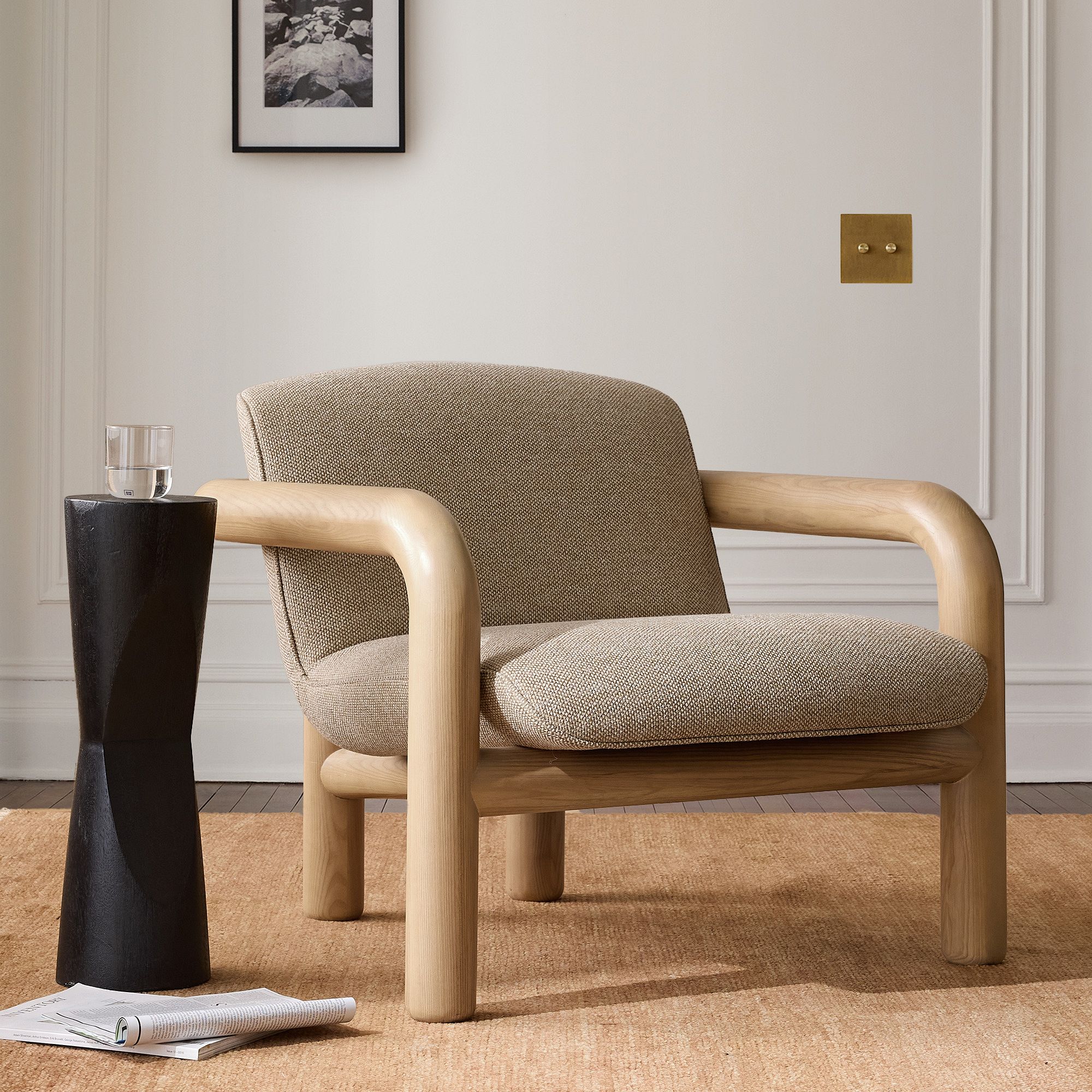
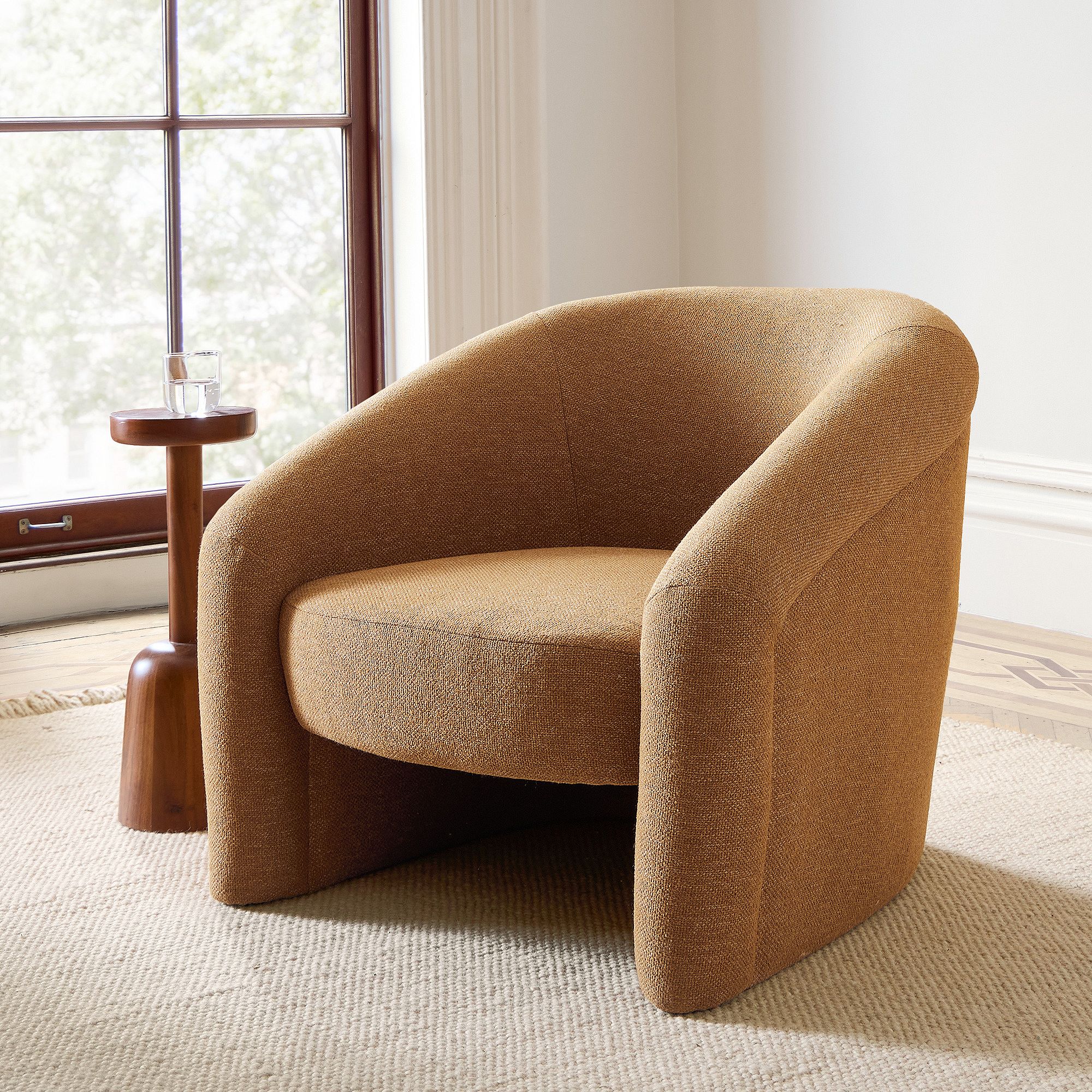
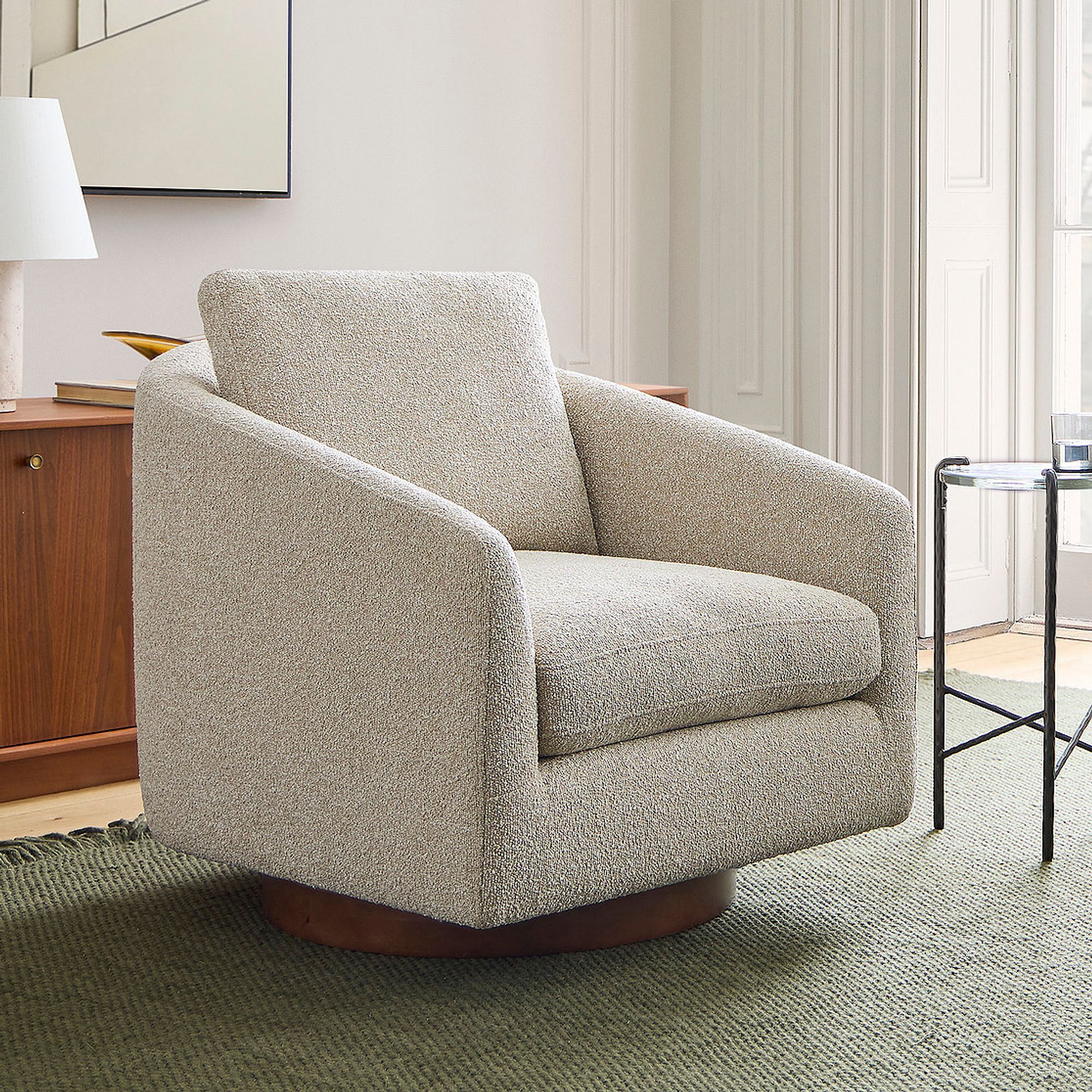
Shop sustainable cozy chairs here.
3. Mystery - The Invitation to Explore

Then there’s mystery - the most poetic of the three. It’s what keeps a space interesting: the curve of a hallway that makes you wonder what’s around the corner, the glow behind a floating mirror, or the way light plays through slats and shadows. Mystery doesn’t shout for attention; it whispers. It invites your eyes to wander, to pause, to wonder what’s just out of view - that subtle tension that keeps a space alive and quietly captivating.
Why It Matters
Designers talk a lot about function and aesthetics, but beneath all that, what we’re really doing is shaping emotion. These three ideas - prospect, refuge, and mystery - are ways of giving the body and mind what they crave: openness, safety, and intrigue.
When a space includes all three, it doesn’t just look beautiful - it feels balanced.
It helps lower stress and induces strong pleasure response. It improves comfort, concentration and perceived safety. It reduces boredom, irritation, and fatigue and supports overall well-being.
It’s something research has confirmed again and again - yet you know it the second you feel it: that natural sense of ease in a well-designed space.
Finding Your Own Balance
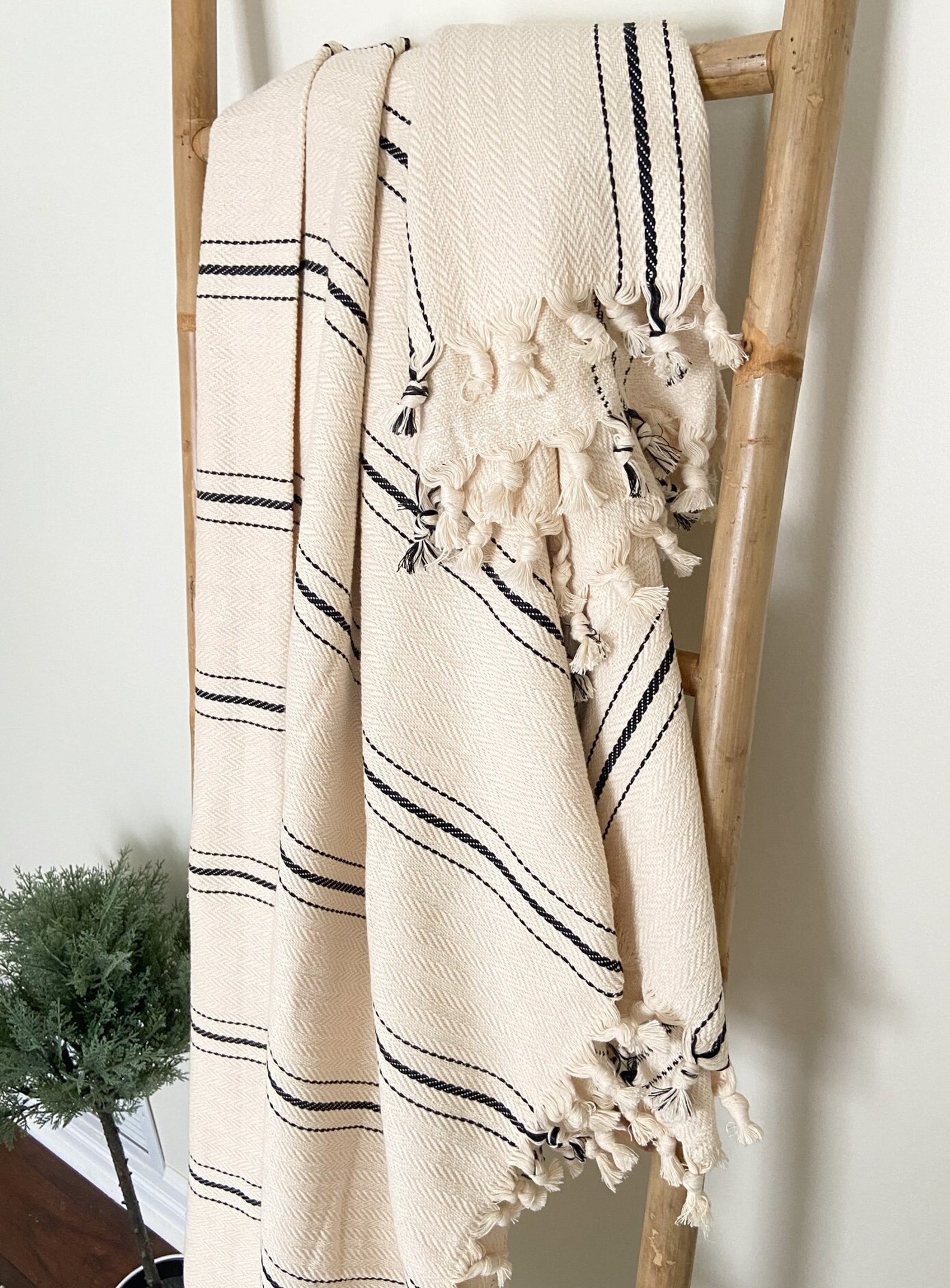
You don’t need a lake view or a big renovation to bring these ideas home. You can find prospect in a window that lets you see the sky. You can create refuge with a soft lamp and a woven throw. You can spark mystery by revealing less - letting a shadow or a texture hint at something beyond.
Good design isn’t just what we see - it’s how we feel in the space.
It’s the way our shoulders drop when the light is soft, the way we linger a little longer when a room feels alive.
That’s the quiet power of biophilic design. It reminds us that beauty isn’t just visual - it’s emotional. It’s how we connect with the nature, and with ourselves.
Sources:
The Theory of Biophilic Design by Stephen R. Kellert
Looking to create a home that feels calm, balanced, and alive?
At ORIA Interiors, we design with nature in mind — blending openness, warmth, and texture to craft spaces that support how you truly live. Get in touch to start your design journey.



Comments