


DESIGNING REFUGE: A NEUROAESTHETIC LENS ON THE INTERIOR DESIGN SHOW IN TORONTO

Updated: May 1
How neuroaesthetics and biophilic design shape a sense of refuge in interior spaces — through insights from IDS Toronto.

Walking through this year’s Interior Design Show in Toronto, one detail stood out immediately: arches emerged as a defining feature.
Not just one or two statement moments, but repeated again and again across booths - in stone, millwork, metal, tile, and even functional elements like sinks and pet stations. Curved niches. Arched framing. Softened openings framing greenery, lighting, and water features.
At first glance, it might seem like a trend revival. But the more I walked, the clearer it became: this wasn’t about nostalgia or decoration. It was about how spaces make us feel.
Arches vs. Straight Lines: What Our Brains Prefer
From a neuroscience perspective, the human brain processes curves and straight lines very differently.
Straight lines and sharp angles signal order, efficiency, and control. They’re useful - especially in kitchens, workspaces, and highly functional zones - but when they dominate a space, they can feel rigid or emotionally distant.
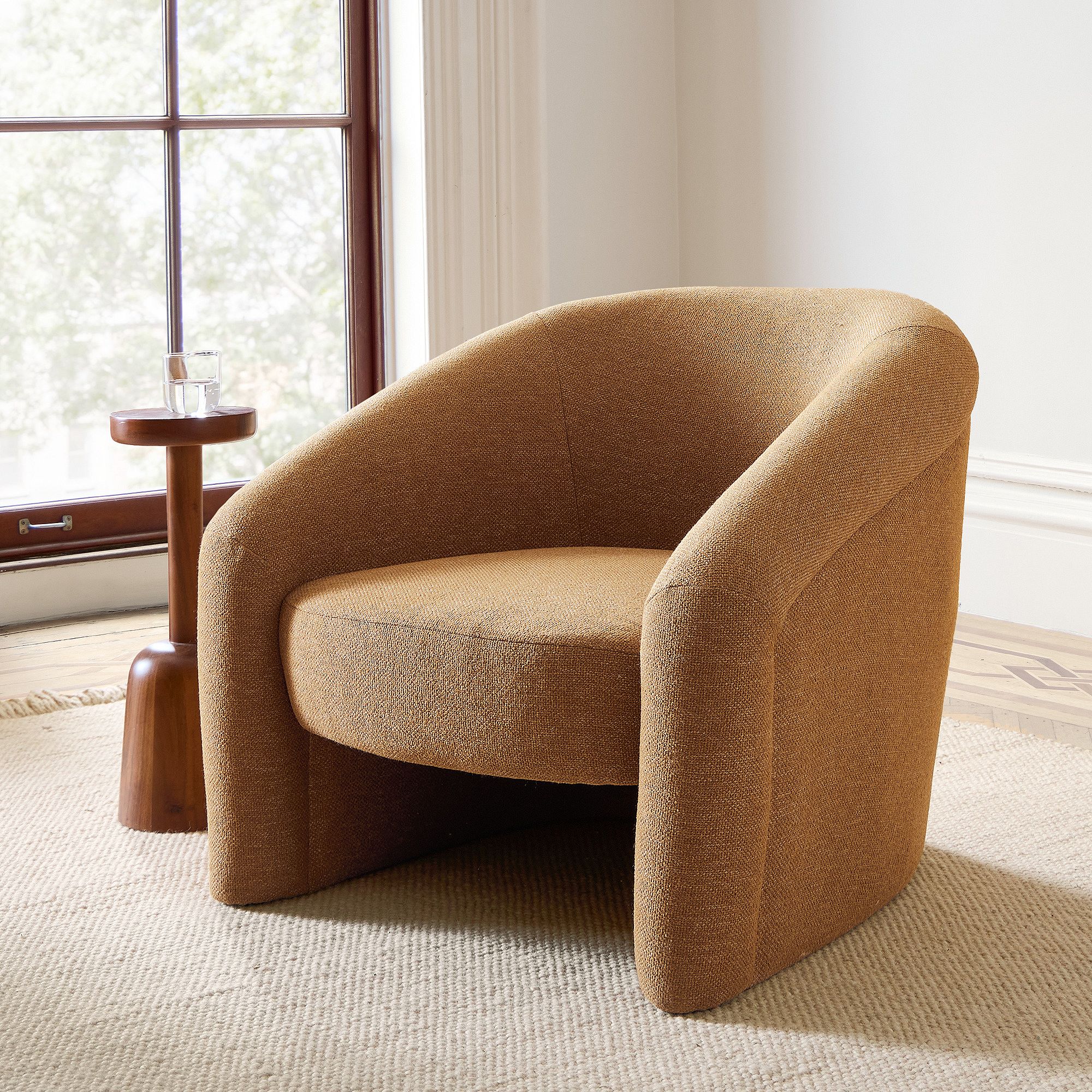
Curves and arches, on the other hand, are processed as safer and more approachable. Research in neuroaesthetics suggests that curved environments are often associated with positive emotional responses and aesthetic pleasure, while sharp angles can subtly heighten alertness or avoidance responses.
In simple terms: we relax around curves.
This makes sense when you consider evolution. Nature rarely works in straight lines. Our earliest shelters, landscapes, and paths were shaped by organic forms - caves, canopies, river bends. Arches echo those same geometries, tapping into an ancient sense of refuge and protection.

Biophilia in Built Form
Biophilic design is often associated with plants and natural materials, but its deeper power lies in form and pattern - the same principles that shape how we experience comfort in nature.
What I saw repeatedly at the show was how arches were used to soften and organize space. By curving around focal points - sinks, shelving, greenery - they reduce visual noise and help the eye slow down. This kind of gentle organization mirrors how we experience comfort in nature, where we move and look around without being jolted from one moment to the next. The result is a space that feels calmer and easier to inhabit.

Neuroaesthetics: Why We Linger
Neuroaesthetics helps explain not just how spaces make us feel, but how they influence our behavior. Environments that feel visually calm and emotionally safe encourage approach rather than avoidance - we slow down, step closer, and stay longer.
That’s exactly what was happening at the show. Booths framed by arches invited people in and held their attention, even when made of hard materials like stone, marble, or metal. The arches weren’t decorative accents - they shaped how people moved, paused, and engaged with the space.

The Return of Balance
What’s especially interesting is that these designs weren’t rejecting modernism. Straight lines were still present - in cabinetry, proportions, and layouts - but they were softened, framed, and carefully balanced.
This is where design is heading: structure paired with softness, precision paired with emotion, function paired with sensory comfort.
A rectilinear vanity becomes more inviting when set into an arched stone niche. A linear bar feels warmer when framed by a curved backdrop and layered lighting. Even utilitarian elements - sinks, shelving, pet stations - benefit from softened geometry.

Not a Trend — a Correction
If arches feel suddenly everywhere, it’s not because softness is new, but because a longer shift away from rigid minimalism is now finding expression in architectural form.
What we’re seeing now isn’t a trend cycle - it’s a neural correction: a collective shift toward spaces that regulate stress, encourage lingering, feel human rather than mechanical, support both beauty and well-being.
And arches, quietly and confidently, are leading that shift.
Sources:
Designing with intention doesn’t begin or end at a design show. If you’re planning a project, ORIA Interiors offers thoughtful, human-centred design services shaped around how you live and feel in your space.
Get in touch to begin creating a home that supports comfort, balance, and well-being.


Comments