


A THANKSGIVING REFLECTION: NATURE, HEALING AND THE SPACES WE CALL HOME

How childhood memories, an unexpected life experience, and a lifelong connection to nature shaped my belief that our homes can do more than simply look beautiful.

Having grown up in Slovakia, Thanksgiving is a tradition I came to know later in life. Yet, this time of year has come to hold a significance I could never have anticipated — one shaped by an experience that changed not only my perspective on life, but eventually, the way I think about the spaces we inhabit.
Several years ago, around Thanksgiving, a sudden spinal injury left me temporarily paralyzed. What followed was a long period of uncertainty and recovery, along with a newfound appreciation for the everyday freedoms we so easily take for granted — movement, independence, and the simple ability to step outside.
During my recovery, even the simplest moments spent outdoors took on a new meaning. Things I had barely noticed before — sunlight, fresh air, the changing seasons — became reminders of how deeply connected we are to the natural world.
Looking back, I think that experience also deepened something I had felt for most of my life: our connection to nature has a profound influence on how we feel.
Long before I knew the term biophilic design, nature was already part of my understanding of home.
My mom has always loved plants. Growing up, the bedroom I shared with my sister was filled with them. Greenery wasn't something carefully styled in a corner; it simply belonged there. Plants grew around us as part of everyday life.
As a child, of course, I wasn't thinking about our nervous systems, stress reduction, natural patterns or our innate connection to the living world. I simply knew that being surrounded by nature felt good.
And perhaps that is what I find so fascinating about biophilic design today.
When intuition meets science
During the period surrounding my injury and recovery, I began looking more deeply into the relationship between our environment and our well-being. Eventually, I discovered biophilic design not simply as an aesthetic idea, but as a field supported by research into how humans respond to nature and nature-inspired environments.
Suddenly, something I had intuitively understood since childhood had a language.
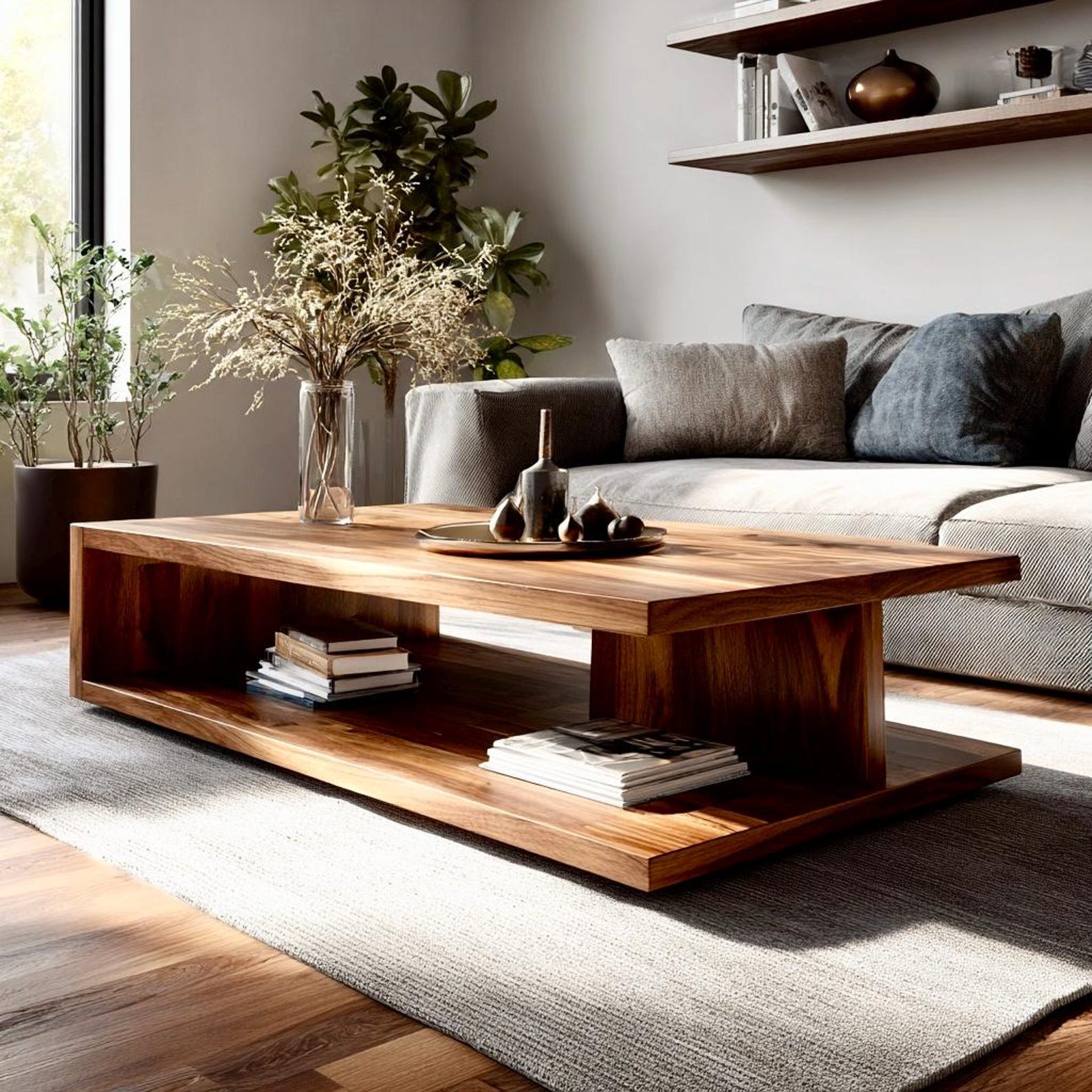
Biophilic design isn't simply about adding plants to a room. It considers daylight, views and connections to the outdoors, natural materials, organic forms, sensory experiences, changing light, texture, colour, and even the way a space can give us a sense of refuge while still allowing us to see what lies beyond.
It asks a question that has become fundamental to the way I design: How does this space make the person living in it feel?

Homes can support us
My own experience changed the way I think about home.
When our bodies are strong and life is moving quickly, we may barely notice how much our surroundings affect us. But during periods when we are vulnerable, recovering, overwhelmed or simply exhausted, our environment can feel very different.
A window with a view of trees. Morning light moving across a wall. The texture of real wood beneath your hand. A quiet corner where you feel protected. Fresh air. Greenery. A connection to the changing seasons outside.
None of these things replaces medical care or heals an injury on its own. But they can contribute to environments that feel calmer, more restorative and more human.
That distinction matters to me.
Today, biophilic and human-centred design are deeply woven into my work at ORIA Interiors. Not because every home needs to look like a greenhouse, and not because "wellness" should become another design trend, but because I believe our homes should support the people living inside them.
Beautiful, yes.
But also comforting. Restorative. Functional. Connected to something beyond four walls.
Coming full circle
There is something meaningful about realizing that an idea central to my work today was quietly present in my life long before I became a designer.
It was there in that childhood bedroom filled with my mom's plants.
It was there in the instinct to seek out nature when life felt difficult.
It became much more significant during one of the most challenging periods of my life.
And eventually, I found the science and design principles that helped me understand why those connections can matter.
So this Thanksgiving, I find myself grateful not only for the big things, but for things that once seemed very ordinary: movement, health, home, family, sunlight, trees, water, and the ability to spend time outside.
And I'm grateful that the work I do today allows me to explore something I have felt for most of my life:
Our surroundings affect us. Nature matters. And a home can do more than look beautiful — it can help us feel better within it.
Happy Thanksgiving!
Every home has the potential to support the way we live and feel. If you're considering a project, I'd love to help you create a space that reflects your needs, nurtures your well-being, and brings a little more nature into everyday life.
Get in touch with ORIA Interiors to get started.



Comments